Funnels
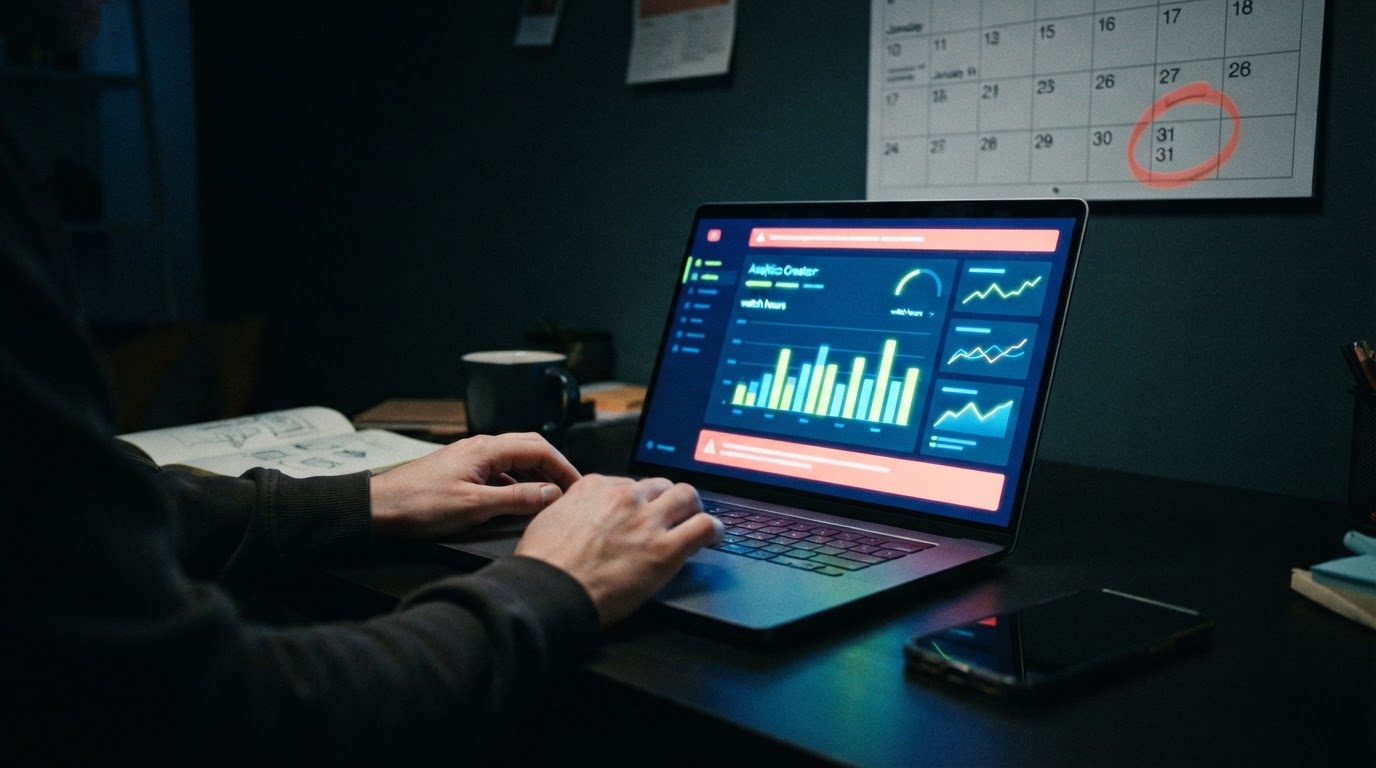
YouTube Just Doubled What a New Channel Needs. Everyone Already Monetized Has a January 31 Deadline.
The entry bar for ad revenue goes from 4,000 watch hours to 8,000 on February 1. For course creators, the real story is what didn't change.
The entry bar for ad revenue goes from 4,000 watch hours to 8,000 on February 1. For course creators, the real story is what didn't change.
Growth Boost is switched on by default, it is not a one-time finder's fee, and most Skool owners have never opened the settings page where it lives.

The FTC's case against business-coaching seller Lurn is the clearest public document anyone selling courses has on where the earnings-claim line sits.

Skool's two-line price list hides a break-even point most creators never calculate — and the same arithmetic decides your plan on Substack, Patreon and Memberful.

Paid Hype landed in the US on November 6 with a subscriber ceiling that locks out the big channels and hands small experts a fan-funded ranking lever.
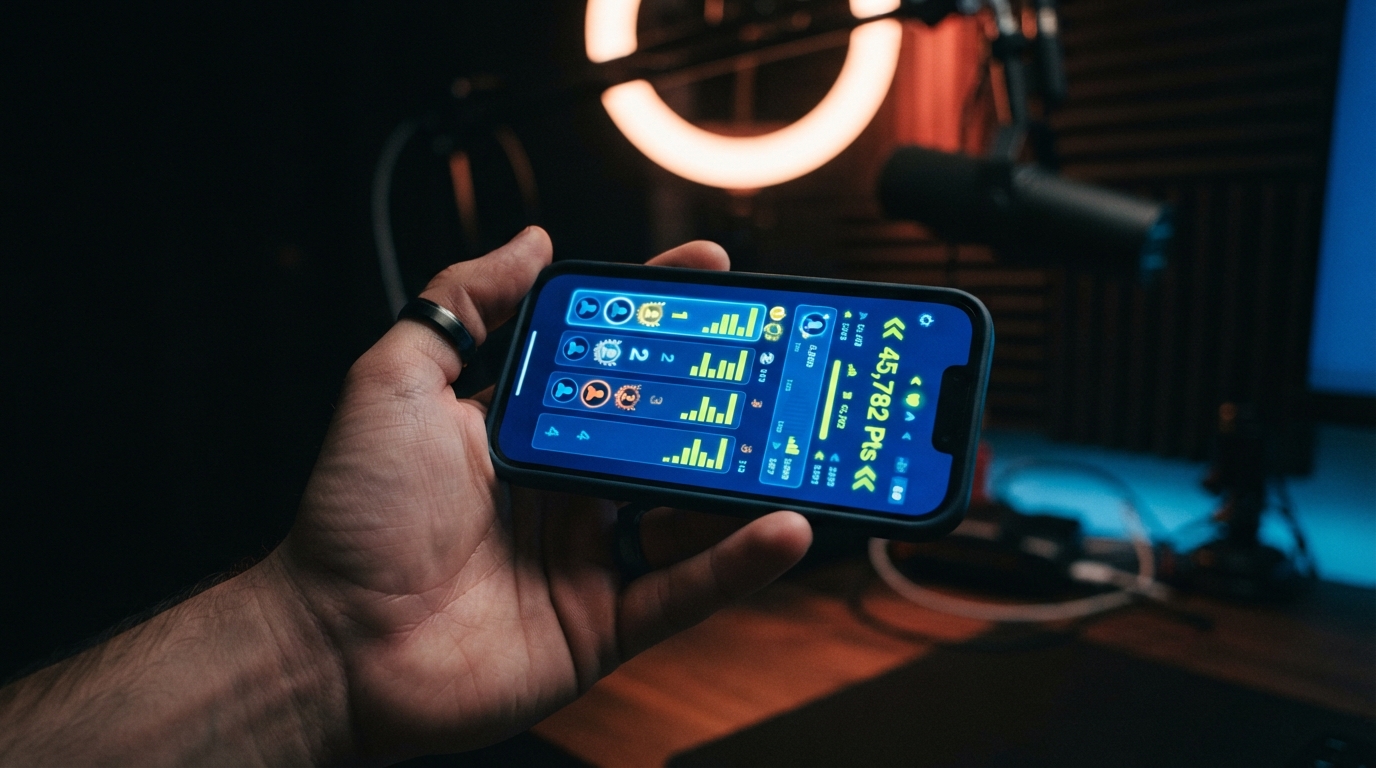
The category's biggest price anchor is already live at 20% off, and last year it went to 40% twice. Your sales page meets that buyer in two weeks.


Two October announcements, one direction of travel: the subscription relationship got demoted, and frequency got a paycheck. Course funnels built on "hit subscribe" should pay attention.
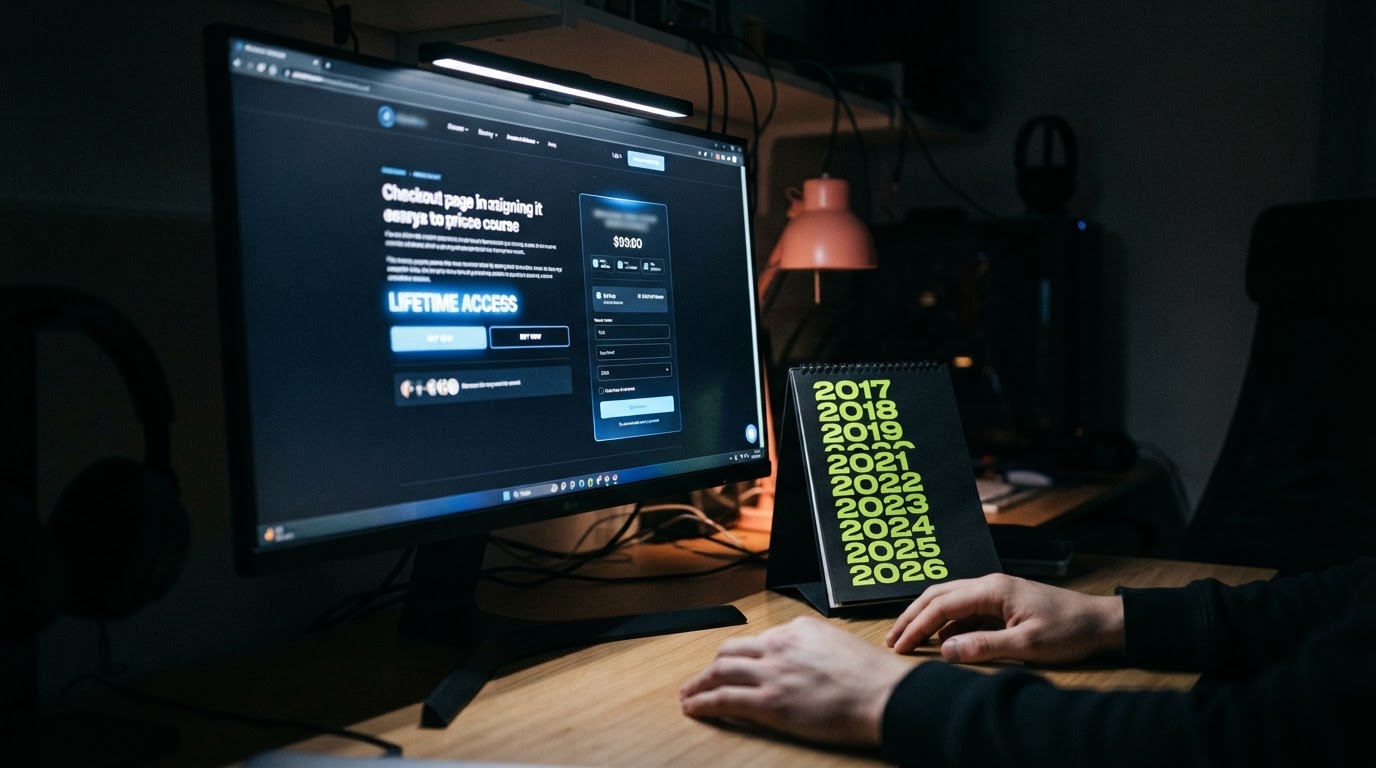
Monica Froese retired four Pinterest courses partly because of two words on her own sales page. Here's the real cost of "lifetime access."

TikTok's new Agentic Leads agent holds the qualifying conversation that course sellers have run by hand for years — and no one has said what it costs.

Instagram's new long-form format has no revenue share, which means the only person who can monetize it is the one selling their own offer.

beehiiv published the arithmetic most course creators only guess at: 0.62% conversion, $100 a year, and a subscriber who sticks around six to twenty months.

New channels will need 8,000 watch hours to enter the Partner Program. The tier knowledge businesses actually use still sits at 500 subscribers.
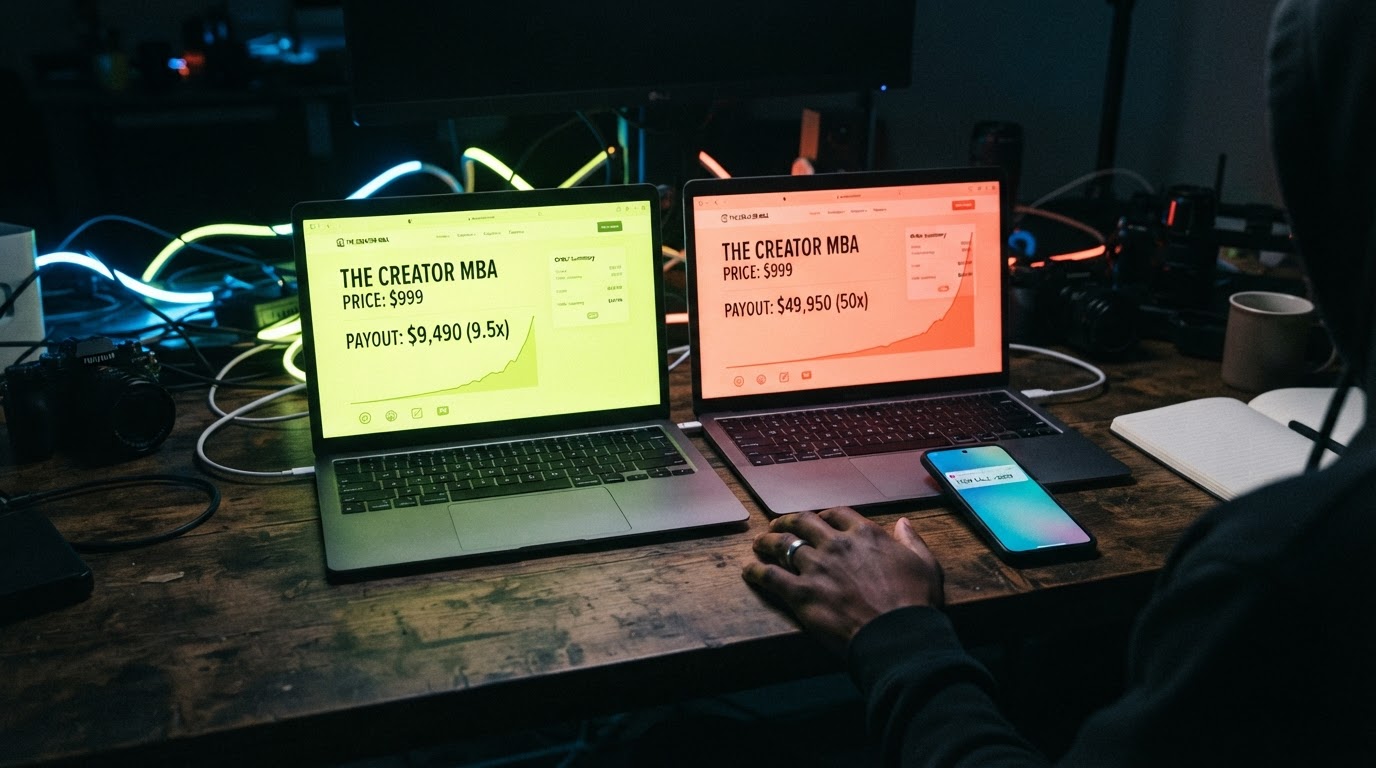
Udemy pays instructors 97% when the student arrives through their link and 37% when the marketplace sends one. That gap is the whole business.

An FTC order against processor Nuvei defines coaching programs and auto-renewing subscriptions as higher-risk merchants — and spells out exactly how they get screened.
Meta is flipping product browsing on by default for ads already running. The opt-out window closes in eleven days, and nobody was asked to agree.
Meta's updated ad terms take effect in 16 days, and course sellers running Q4 traffic are accepting them simply by not stopping.

Ruzuku ran 72,162 paid price options through its database. The platform median is modest — and it shatters the moment you sort by niche.

Three new sponsorship formats let brands buy reader access instead of ad space, creating a revenue line that sits between membership and sponsorship.
A fee comparison published this week priced the same $10 digital product across 13 platform plans. The gap is almost entirely a fixed charge nobody reads.

A streamer industrialised paid distribution at $40 per 100,000 views. On October 1, YouTube told clip channels they will likely see less reach.

The break-even against Thinkific's Basic plan arrives at roughly 16 to 22 sales of a $110 course — not per month, per year.

Coursera's new index says the US leads the world on AI infrastructure and sits 27th on learner proficiency — and the gap is a course catalog waiting to be built.

Everyone compares membership platforms on the percentage. The flat fee riding underneath it is what quietly punishes cheap monthly tiers.
A rewritten YouTube policy lets automated systems stamp a disclosure label on undeclared brand deals — and one clause drags entire videos into scope.

A survey of 1,128 creators found nearly a third use courses to generate leads — and almost everyone else is pricing the wrong object.

Federal consumer guidance tells buyers to ask for a one-page disclosure and an earnings claim statement before paying. Most sellers have never made one.
An ed-tech company just wrote a seven-figure cheque over checkout friction. Most creator memberships are built exactly the same way.

A new analysis of 2,000+ webinars found the calendar is wildly lopsided — and the ten weeks you just entered are the most crowded of the year.
New platform data from 72,162 paid price options shows a handful of high-ticket programs dragging the industry's favorite benchmark nearly four times too high.

A leaked ChatGPT format became an official product in 48 hours. The qualifying conversation now happens on OpenAI's surface, not yours.